
Table of Contents
Post‑traumatic stress disorder (PTSD) can arise after you’ve been through something deeply frightening or overwhelming. You might find yourself reliving aspects of the experience, while also noticing shifts in your mood, your thinking, and your sense of safety in everyday life. These responses are the mind and body’s way of trying to make sense of something difficult, and they are far more common than many people realise. At Central Minds, our psychologists regularly support adults living with PTSD as well as the wider, lasting effects of trauma.
We understand that the symptoms of PTSD can feel confusing, and at times isolating. Recognising what you are experiencing is often a meaningful first step towards making sense of it, and towards finding the right kind of support. With the right approach, many people find that the effects of trauma become much more manageable over time.
Physical Symptoms of PTSD
PTSD is often thought of as affecting thoughts and emotions, but it can also bring noticeable physical effects. These are closely linked to the body’s natural response to feeling under threat, which can stay switched on long after the original event has passed.
Common Physical Symptoms
- Difficulty sleeping, including trouble falling asleep, waking often, or unsettling dreams
- A racing heart, tense muscles, or a feeling of being on edge
- Tiredness, as staying alert for long periods can be draining
- Headaches, an upset stomach, or other physical discomfort without a clear cause
- Being easily startled by sudden noises or movement
- Changes in appetite or eating patterns
If these physical changes are new or unfamiliar, it is worth speaking with a medical doctor first, to rule out other health conditions that may produce similar effects.
Psychological and Emotional Symptoms of PTSD
The symptoms of PTSD usually fall into a few connected groups: reliving the experience, avoiding reminders of it, changes in mood and thinking, and feeling more alert or on guard than usual. Most people experience a mix of these, and the way they show up varies a great deal from person to person.
Reliving the Experience
- Intrusive memories that arrive without warning
- Distressing dreams connected to what happened
- Flashbacks, where it can feel as though the event is happening again
- Strong emotional or physical reactions when something brings the memory to mind
Avoidance
- Steering away from people, places, or activities that act as reminders
- Trying not to think or talk about what happened
- Feeling distant from others, or from activities you once enjoyed
Changes in Mood and Thinking
- Ongoing low mood, fear, guilt, or anxiety
- Blaming yourself, or holding negative beliefs about yourself or the world
- Difficulty recalling parts of what happened
- Finding it hard to experience positive feelings
Feeling Alert or On Guard
- Feeling tense, constantly scanning for threats, or unable to relax
- Irritability or sudden frustration
- Difficulty concentrating
- Trouble sleeping
It is also common to experience low mood, stress, or dissociation alongside PTSD. A psychologist can help you understand which experiences are linked to trauma, and which may relate to something else.
Complex PTSD Symptoms
Complex PTSD can develop after repeated or prolonged difficult experiences, specially ones where you felt trapped or unable to escape. It shares the core symptoms of PTSD, and also brings additional challenges that can affect that affect how a person feels about themselves and relates to others.
Complex PTSD symptoms may include:
- Difficulty managing emotions, which can feel intense or change quickly
- Persistent feelings of guilt, shame, or believing the experience reflects something about you
- Finding relationships difficult, including trusting others or feeling close to them
- A sense of feeling different from other people, or disconnected from yourself
- Ongoing difficulty feeling safe, even in calm situations
These experiences can be supported through psychological therapy, and a psychologist can help you understand how the pieces fit together.
PTSD Symptoms in Women
PTSD can affect anyone, however, research suggests it is recognised more often in women. In women, PTSD symptoms can sometimes look like other conditions, which is one reason why getting the right support may take longer than it should.
In women, PTSD may show up as ongoing anxiety, low mood, difficulty sleeping, or a strong sense of needing to stay alert. Trauma connected to pregnancy, birth, or early motherhood is also recognised, and can sit alongside experiences such as maternal mental health difficulties or postnatal low mood. Some women also notice changes in close relationships, or feel more easily overwhelmed than before. Recognising these as part of a trauma response, rather than a personal shortcoming, is often an important step, and a psychologist can help you make sense of what you are experiencing.
How Long Do Symptoms of PTSD Last?
The course of PTSD varies from person to person, and symptoms often change over time rather than staying the same.
- In the days and weeks after a difficult event, many people experience some of these symptoms, which may then ease naturally
- When symptoms continue beyond a month, or begin to affect daily life, it may point to PTSD
- Symptoms can come and go, sometimes returning during stressful periods or when something reminds you of what happened
- With the right support, including trauma focused therapy, many people find their symptoms become much more manageable
Common Signs of PTSD
The signs below may help you see whether what you or a loved one is experiencing is more consistent with PTSD or something else entirely.
| Sign | What It May Look Like |
| Reliving the event | Intrusive memories, dreams, or flashbacks |
| Avoidance | Steering away from reminders, or from talking about what happened |
| Feeling on guard | Being watchful, tense, or easily startled |
| Changes in mood | Low mood, fear, guilt, or feeling disconnected from others |
| Sleep difficulty | Trouble falling or staying asleep, or unsettling dreams |
| Difficulty concentrating | Finding it harder to focus or stay present |
| Emotional numbness | Difficulty feeling positive emotions, or feeling distant |
Not everyone who experiences trauma develops PTSD. Many people find that symptoms fade naturally with time, especially when they have good support. A psychologist can help you understand what’s happening for you, personally, and whether PTSD is part of the picture.
How PTSD and Complex PTSD Differ
PTSD and complex PTSD share many symptoms. The table below shows how each condition tends to show up in daily life.
| Feature | PTSD | Complex PTSD |
| Often linked to | A single distressing or frightening event | Repeated or prolonged difficult experiences |
| Core symptoms | Reliving the trauma, avoidance, feeling constantly on guard | The same core symptoms, plus additional effects on emotions and self‑view |
| Sense of self | Often remains broadly intact | Persistent guilt, shame, or feeling different from others |
| Relationships | May feel strained at times | Trust and closeness can feel more difficult |
| Emotions | Strong reactions triggered by reminders | Ongoing difficulty managing or regulating emotions |
Both can be supported through psychological therapy, sometimes alongside input from a psychiatrist. You can read more about the difference between a psychologist and a psychiatrist on our FAQ page.
You May Benefit From Support If…
It can sometimes feel difficult to know whether what you, or someone close to you, is experiencing warrants professional input. The following may be helpful indicators:
- You find yourself reliving a difficult experience through memories, dreams, or flashbacks
- You find yourself avoiding people, places, or activities that remind you of what happened
- You feel tense, watchful, or easily startled much of the time
- Since the experience, your mood, sleep patterns, or concentration haven’t felt the same
- These experiences have continued beyond a month, or are interfering with daily activities
- Those close to you have pointed out changes in your mood, appearance, or behaviour
- You suspect you may have PTSD or complex PTSD but have not yet had the opportunity to speak with a professional
If you are in immediate danger or severe distress, please know that Central Minds is not a crisis service. In an emergency, call 999 or go to your nearest emergency room. You’ll also find more immediate support options on our resources page.
Our Psychologists Who Work With PTSD

Dr. Aurélie Comes
Clinical Psychologist & CBT Therapist
Dr. Comes is a UK-trained Clinical Psychologist who worked in the National Health Service (NHS). She supports adults and young people experiencing anxiety, low mood, burnout, and self-doubt, as well as difficulties in their relationship with food or their body. Many of her clients present as coping well externally, whilst internally feeling overwhelmed, stuck in patterns of overthinking, or struggling to feel “good enough.”
She integrates evidence-based approaches including Cognitive Behavioural Therapy (CBT) and Eye Movement Desensitisation and Reprocessing (EMDR), and works collaboratively with clients to understand and shift the underlying patterns maintaining their difficulties.
Teresa Chan
Cognitive Behavioural Psychotherapist
Teresa is a UK-trained specialist who has worked one-to-one with clients in the field of clinical mental health since 2011. Born and raised in the UK, she qualified as an accredited Cognitive Behavioural Therapy (CBT) practitioner and spent 8 years working within the National Health Service (NHS) before relocating to Hong Kong in 2018. A native English speaker who also communicates in Cantonese, Teresa holds an undergraduate and master’s degree in Psychology, alongside postgraduate training specialising in CBT.


Josanna Lai
Clinical Psychologist
Born and raised in Hong Kong, being fluent in English and Cantonese, Josanna has worked as a clinical psychologist for over twenty-six years in Hong Kong and Australia in diverse clinical settings including child assessment center, inpatient PTSD wards, outpatient psychiatric center, university counseling service, NGO for special education needs and certainly private practice.
Josanna finds Narrative Therapy and mindfulness particularly attractive in addressing psychological issues that are associated with modern hectic lifestyle.
Dr. Christine Mok-Lammé
Clinical Psychologist
Dr. Mok-Lammé is a US trained clinical psychologist licensed in the States of Colorado and Massachusetts. She has worked in the field of psychology in various settings since 2012. She has a wealth of experience working with adults who face difficulties due to complex traumas, challenging family dynamics, and relationship problems.
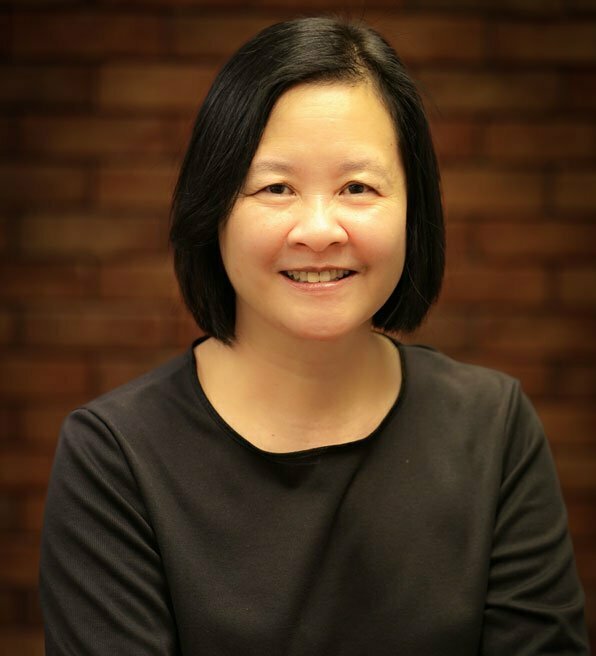

Dr Steven Livingstone
Clinical Psychologist & Systemic Family Therapist
Dr Steven Livingstone is a UK-trained Consultant Clinical Psychologist and qualified Family Therapist with over 20 years’ experience working in the National Health Service and academia.
Steven’s clinical work is rooted in systemic and relational approaches, helping individuals, couples, and families make sense of distress in the context of their relationships and life experiences. He draws on evidence-based models including Cognitive Behavioural Therapy (CBT), Acceptance and Commitment Therapy (ACT), and Open Dialogue, integrating these with compassion-focused and mindfulness-informed principles.
Dr. Melissa Chan
Clinical Psychologist
Dr. Chan is a UK trained Clinical Psychologist, who has worked in the field of mental health taking up clinical and research roles in the community and academic settings for ten years. She is experienced in treating people with symptoms of depression and anxiety disorders (e.g. social anxiety, bipolar tendencies etc). She also works with people who are struggling with low self-esteem, stress, grief and bereavement, adjustment difficulties


Dr. Kaili Chen
Clinical Psychologist
Dr. Chen has worked in the field of psychology since 2010 in several non-profit organizations and community mental health centers. Before settling in Hong Kong, she has lived in Singapore, Thailand, Malaysia, China, and the United States, and understands firsthand the stresses expats face living abroad and the intricacies of multicultural lifestyles.
FAQs About The Symptoms Of PTSD
Does everyone who goes through a difficult experience develop PTSD?
No. Many people experience some symptoms in the days and weeks afterwards, which then ease naturally with time and support. PTSD is considered when symptoms continue beyond a month, or begin to affect daily life. A psychologist can help you understand what you are experiencing.
What is the difference between PTSD and complex PTSD?
PTSD is often linked to a single distressing event, while Complex PTSD tends to follow repeated or prolonged experiences, often ones where you felt trapped. Complex PTSD includes the core symptoms of PTSD, along with additional effects on your emotions, your sense of self, and your relationships. A clinical assessment is the most reliable way to understand what fits your unique experience.
Can PTSD be assessed by a psychologist?
Yes. Through a detailed assessment of your symptoms, history, and the patterns that have emerged, a psychologist can help you make sense of what you’re going through and guide you toward the support that best fits your needs.
Why do my symptoms sometimes return after a period of feeling better?
PTSD symptoms can come and go, and may resurface during stressful periods or when reminders arise. This is a recognised part of how trauma responses work, rather than a sign of going backwards. Support can help you understand and manage these patterns.
Do I need a referral to speak with a psychologist at Central Minds?
No referral is needed to contact us directly. If you are planning to use insurance, we recommend checking with your provider beforehand, as some insurers do require a referral letter. You can find more information on our insurance and fees FAQ.