
Table of Contents
What Is Trauma?
Trauma refers to the psychological and emotional response to experiences that are perceived as overwhelming, threatening, or deeply distressing. These experiences may involve a single event, such as an accident or assault, or ongoing situations, such as chronic neglect, abuse, or prolonged stress.
Trauma does not affect everyone in the same way. What feels manageable for one person may feel deeply unsettling for another. Trauma responses are shaped by personal history, support systems, and how the experience was processed at the time.
What Are the Signs of Trauma?
Trauma-related symptoms can vary widely. Some people notice immediate effects, while others experience changes months or even years later. Symptoms may be emotional, cognitive, physical, or behavioural.
Emotional and Cognitive Symptoms
- Intrusive memories, flashbacks, or distressing dreams
- Persistent feelings of fear, guilt, shame, or sadness
- Difficulty concentrating or making decisions
- Feeling emotionally numb or disconnected from others
Behavioural Symptoms
- Avoiding reminders of the traumatic experience
- Withdrawing from relationships or social situations
- Increased irritability or heightened alertness
- Difficulty sleeping or changes in daily routines
Physical Symptoms
- Muscle tension, headaches, or unexplained aches
- Fatigue or low energy
- Gastrointestinal discomfort
- Heightened startle response
You may benefit from support if trauma-related symptoms are affecting your emotional wellbeing, relationships, work, or sense of safety in daily life.
What Can Contribute to Trauma Responses?
Trauma rarely has a single cause. It usually develops through the interaction of personal, environmental, and psychological factors.
Types of Traumatic Experiences
Trauma may arise from experiences such as accidents, medical procedures, violence, loss, neglect, or ongoing exposure to unsafe or unpredictable environments. For some people, repeated or long-term experiences can have a cumulative impact.
Individual and Contextual Factors
Age, previous life experiences, available support, and how others responded at the time can all influence how trauma is experienced and processed. A lack of safety or validation following an event may intensify its effects.
How Trauma Patterns Are Maintained
Trauma-related coping strategies—such as avoidance or emotional suppression—can initially reduce distress but may contribute to longer-term difficulties. Understanding these patterns is an important part of trauma-focused therapy.
Trauma Focussed Therapy at Central Minds
Effective trauma treatment is tailored to the individual and delivered by trained Psychologists and therapists who work at a pace that feels safe and respectful.
Psychotherapy
Trauma Focussed Therapy often integrates different evidence-based approaches, depending on individual needs:
- Cognitive Behavioural Therapy (CBT): CBT helps individuals understand how trauma has influenced their thoughts, emotional responses, and behaviours. It focuses on developing practical strategies to reduce distress and regain a sense of control.
- Psychodynamic Therapy: This approach explores how past experiences and relationships may be influencing present-day emotional patterns. It supports greater self-understanding and emotional integration over time.
- Eye Movement Desensitisation and Reprocessing (EMDR): EMDR is a structured therapy that helps the brain process traumatic memories in a way that reduces their emotional intensity. It is often used when trauma memories feel intrusive or overwhelming.
How Do You Know If Trauma Focussed Therapy Might Help?
Deciding to seek support is a personal choice. You may benefit from Trauma Focussed Therapy if:
- Past experiences continue to feel emotionally intrusive
- You feel persistently on edge, unsafe, or overwhelmed
- Relationships feel difficult or emotionally distant
- Sleep, concentration, or daily functioning are affected
- Attempts to cope on your own feel insufficient
Whether these experiences feel recent or long-standing, support does not require a specific diagnosis or a particular timeline.
Meet our therapists specialising in working with Trauma in Hong Kong

Dr. Aurélie Comes
Clinical Psychologist & CBT Therapist
Aurélie is an experienced Cognitive Behavioral Therapist (CBT) who trained and worked in the UK’s National Health Service. In addition to her CBT specialty, she also qualified as an Eye-Movement Desensitization Reprocessing (EMDR) Practitioner.
Dr Kaili Chen
Clinical Psychologist
Dr. Chen has worked in the field of psychology since 2010 in several non-profit organizations and community mental health centers. Before settling in Hong Kong, she has lived in Singapore, Thailand, Malaysia, China, and the United States, and understands firsthand the stresses expats face living abroad and the intricacies of multicultural lifestyles.


Josanna Lai
Clinical Psychologist
Born and raised in Hong Kong, being fluent in English and Cantonese, Josanna has worked as a clinical psychologist for over twenty-six years in Hong Kong and Australia in diverse clinical settings including child assessment center, inpatient PTSD wards, outpatient psychiatric center, university counseling service, NGO for special education needs and certainly private practice.
Teresa Chan
Cognitive Behavioural Psychotherapist
Teresa is a UK-trained specialist who has worked one-to-one with clients in the field of clinical mental health since 2011. Born and raised in the UK, she qualified as an accredited Cognitive Behavioural Therapy (CBT) practitioner and spent 8 years working within the National Health Service (NHS) before relocating to Hong Kong in 2018. A native English speaker who also communicates in Cantonese, Teresa holds an undergraduate and master’s degree in Psychology, alongside postgraduate training specialising in CBT.


Melissa Chan
Clinical Psychologist
Dr. Chan is a UK trained Clinical Psychologist, who has worked in the field of mental health taking up clinical and research roles in the community and academic settings for ten years. She is experienced in treating people with symptoms of depression and anxiety disorders (e.g. social anxiety, bipolar tendencies etc). She also works with people who are struggling with low self-esteem, stress, grief and bereavement, adjustment difficulties and those…
Dr. Karen Wai Liem
Clinical Psychologist, Counselling Psychologist, and Aviation Psychologist
Dr. Liem is a Clinical Psychologist, Counselling Psychologist, and Aviation Psychologist based in Hong Kong. She provides psychotherapy for adolescents, adults, and couples facing psychological or relational challenges. With over 15 years of clinical experience in Hong Kong and overseas, she has worked in diverse settings.
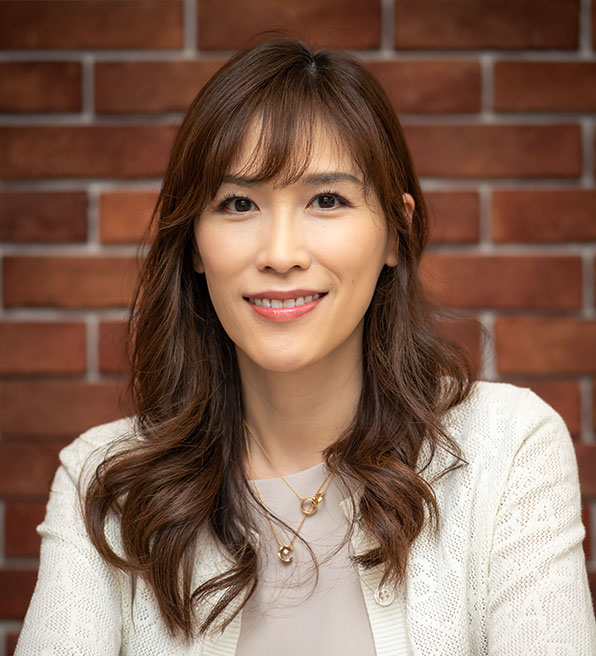

Dr Elaine Ching
Clinical Psychologist
Dr. Ching is a UK trained Clinical Psychologist, offering support to adults with difficulties around anxiety, low mood, stress and burnout, self-esteem, childhood or event specific trauma, interpersonal relationships, and life adjustments (e.g. relocation, grief, chronic physical health, third culture kids). She also has experience with individuals with individuals with emotional
Meet Our Full List Of Counsellors Here!
FAQs About Trauma Focussed Therapy
How long does Trauma Focussed Therapy usually take?
The length of therapy varies depending on the nature of the trauma, individual goals, and personal circumstances. Some people benefit from shorter-term therapy, while others prefer longer-term support.
Do I need to talk about everything that happened?
No. Therapy progresses at your pace. A Psychologist will work collaboratively with you to ensure discussions feel manageable and supportive.
Can trauma symptoms appear years later?
Yes. Trauma responses can emerge long after an event, particularly during periods of stress or change. This is a common and understandable experience.
Do I need a diagnosis to start Trauma Focussed Therapy?
No. Therapy focuses on your lived experience rather than labels. You are welcome to seek support whenever something feels difficult or distressing.